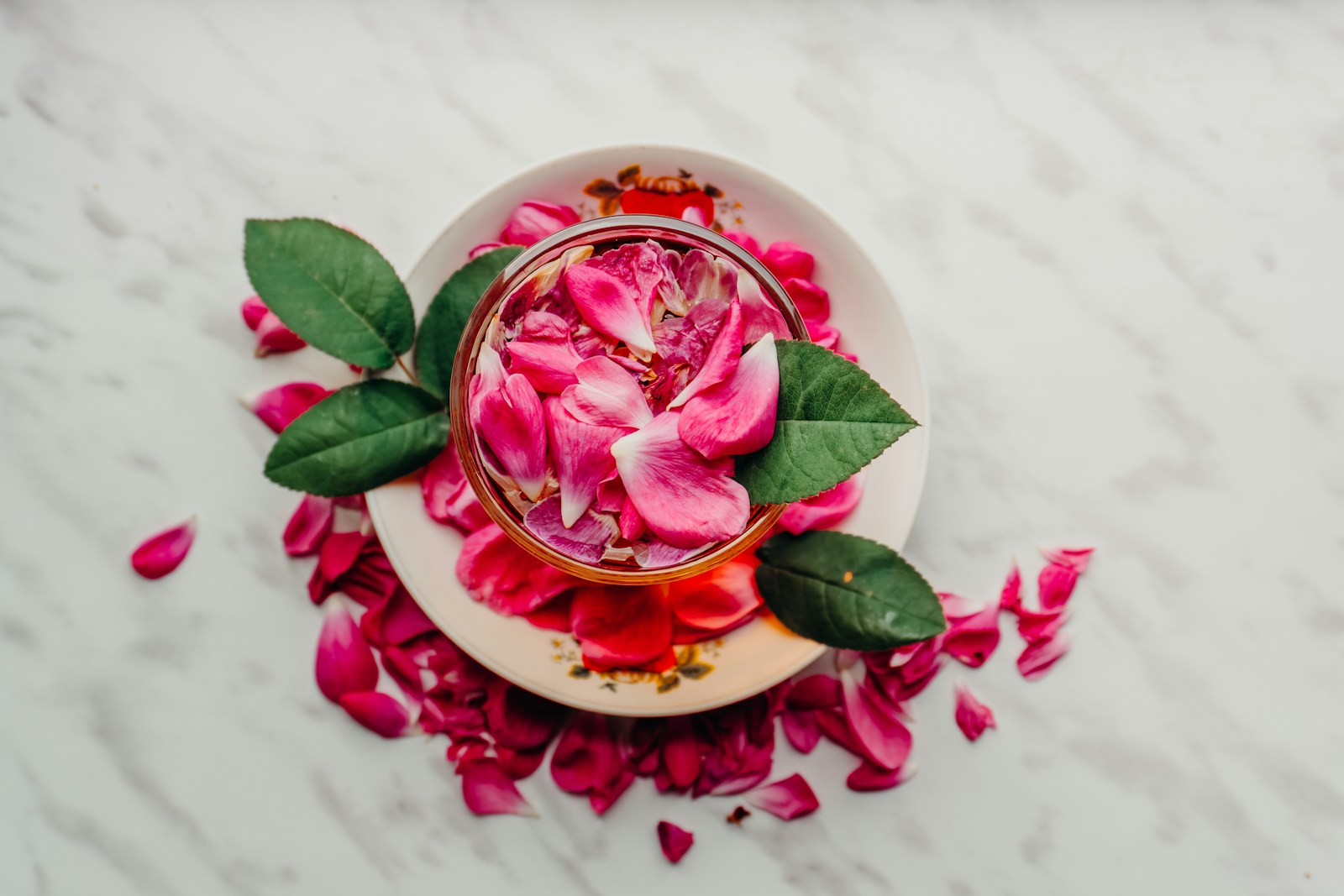
In the tea-loving culture of South Asia, where “Karak Chai” usually reigns supreme, Kashmiri Chai (Noon Chai) is a startling anomaly. It doesn’t look like tea; it looks like a melted milkshake. It doesn’t taste like tea; it’s creamy, nutty, and distinctly salty.
The “Pink Tea” is a masterpiece of culinary chemistry. The process begins with special green tea leaves boiled in a large copper samovar with a pinch of baking soda. This isn’t for flavor; the soda reacts with the tea’s tannins, turning the water a deep, dark burgundy. The real magic happens through aeration. The tea is “beaten”—poured repeatedly from a height to introduce oxygen—until the color stabilizes. Finally, cold water and fresh milk are added, instantly transforming the dark brew into a beautiful, pastel rose pink.
The Ritual of the Salt The name “Noon Chai” literally translates to “Salt Tea.” While modern cafes sometimes add sugar to appeal to tourists, the traditional version is salty. This salt serves a functional purpose in the cold Himalayan climate, helping the body stay hydrated and regulating electrolytes at high altitudes.
How to Enjoy the Perfect Cup:
- The Garnish: A proper cup is topped with a thick layer of malai (clotted cream) and a generous sprinkle of crushed pistachios and almonds.
- The Bread: It is almost always served with Bakarkhani, a puff-pastry-style biscuit that is flaky and savory.
- The Occasion: In Kashmir, this tea is a symbol of hospitality. It is served at weddings, during the long winter nights, and as a welcome drink for weary travelers.
To drink Noon Chai is to participate in a centuries-old tradition of warmth. It is a slow drink, meant for long conversations and cold afternoons.