Author: Haseeb

  • The Pink Tea Mystery: Deciphering the Art and Soul of Kashmiri Chai

    The Pink Tea Mystery: Deciphering the Art and Soul of Kashmiri Chai

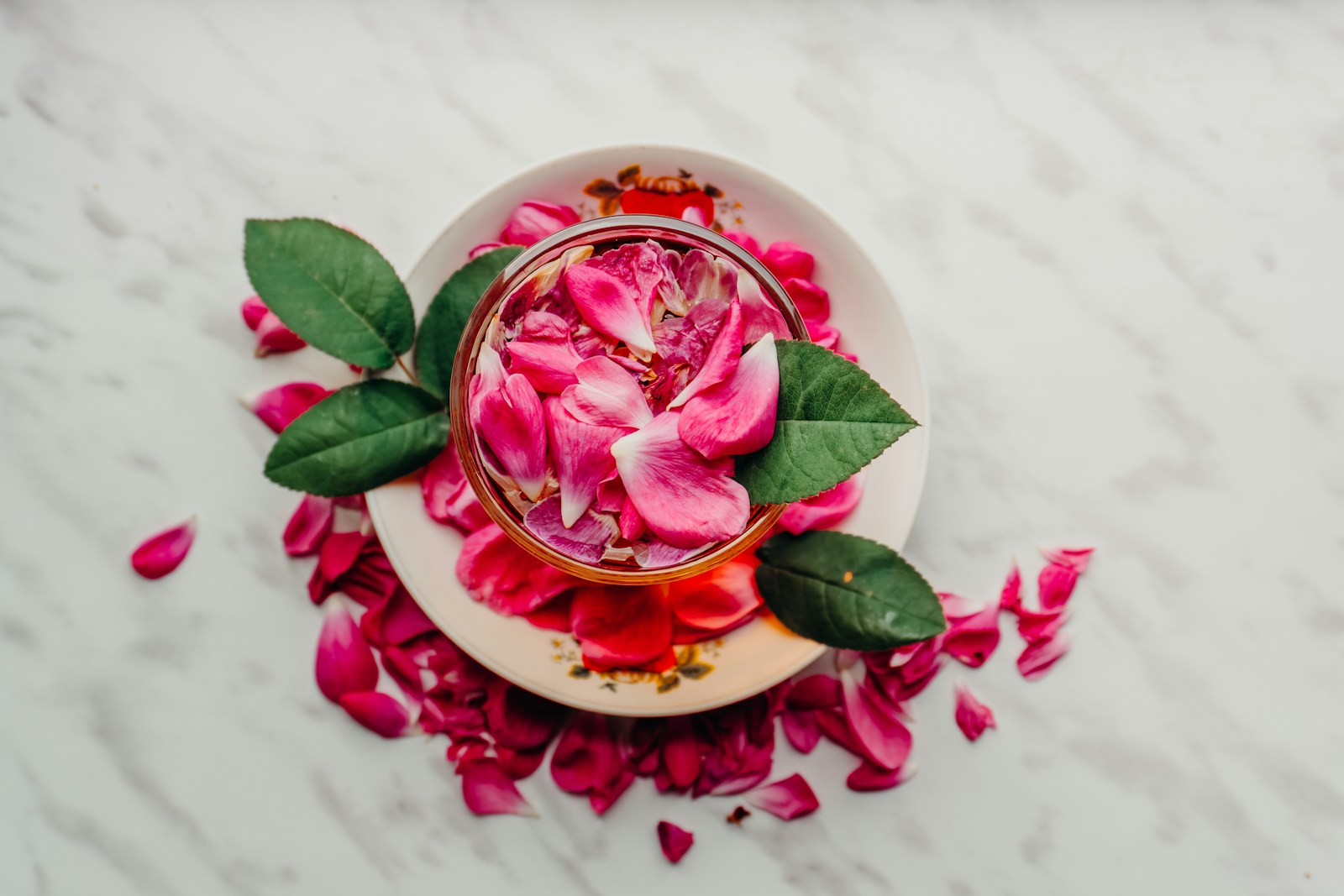
    In the tea-loving culture of South Asia, where “Karak Chai” usually reigns supreme, Kashmiri Chai (Noon Chai) is a startling anomaly. It doesn’t look like tea; it looks like a melted milkshake. It doesn’t taste like tea; it’s creamy, nutty, and distinctly salty.

    The “Pink Tea” is a masterpiece of culinary chemistry. The process begins with special green tea leaves boiled in a large copper samovar with a pinch of baking soda. This isn’t for flavor; the soda reacts with the tea’s tannins, turning the water a deep, dark burgundy. The real magic happens through aeration. The tea is “beaten”—poured repeatedly from a height to introduce oxygen—until the color stabilizes. Finally, cold water and fresh milk are added, instantly transforming the dark brew into a beautiful, pastel rose pink.

    The Ritual of the Salt The name “Noon Chai” literally translates to “Salt Tea.” While modern cafes sometimes add sugar to appeal to tourists, the traditional version is salty. This salt serves a functional purpose in the cold Himalayan climate, helping the body stay hydrated and regulating electrolytes at high altitudes.

    How to Enjoy the Perfect Cup:

    • The Garnish: A proper cup is topped with a thick layer of malai (clotted cream) and a generous sprinkle of crushed pistachios and almonds.
    • The Bread: It is almost always served with Bakarkhani, a puff-pastry-style biscuit that is flaky and savory.
    • The Occasion: In Kashmir, this tea is a symbol of hospitality. It is served at weddings, during the long winter nights, and as a welcome drink for weary travelers.

    To drink Noon Chai is to participate in a centuries-old tradition of warmth. It is a slow drink, meant for long conversations and cold afternoons.
  • The Cold Desert of Skardu: Where Shifting Sands Meet Eternal Snow

    The Cold Desert of Skardu: Where Shifting Sands Meet Eternal Snow

    The journey to Skardu is an adventure in itself. Whether you take the hair-raising drive along the Karakoram Highway or the dramatic flight from Islamabad—where the plane wings feel close enough to brush the peaks of Nanga Parbat—you realize you are entering a different realm. This is the gateway to the giants: K2, Broad Peak, and Gasherbrum.

    However, the most surreal landscape isn’t the peaks, but the Katpana Desert. Known as the “Cold Desert,” it sits at an altitude of nearly 2,500 meters. It is a place of impossible contrasts: fine, silk-like sand dunes that are frequently dusted with white snow during the winter months. Standing in the middle of these dunes, surrounded by the jagged, grey granite of the Karakoram Range, feels like standing on another planet.

    The Skardu Circuit: Must-See Stops

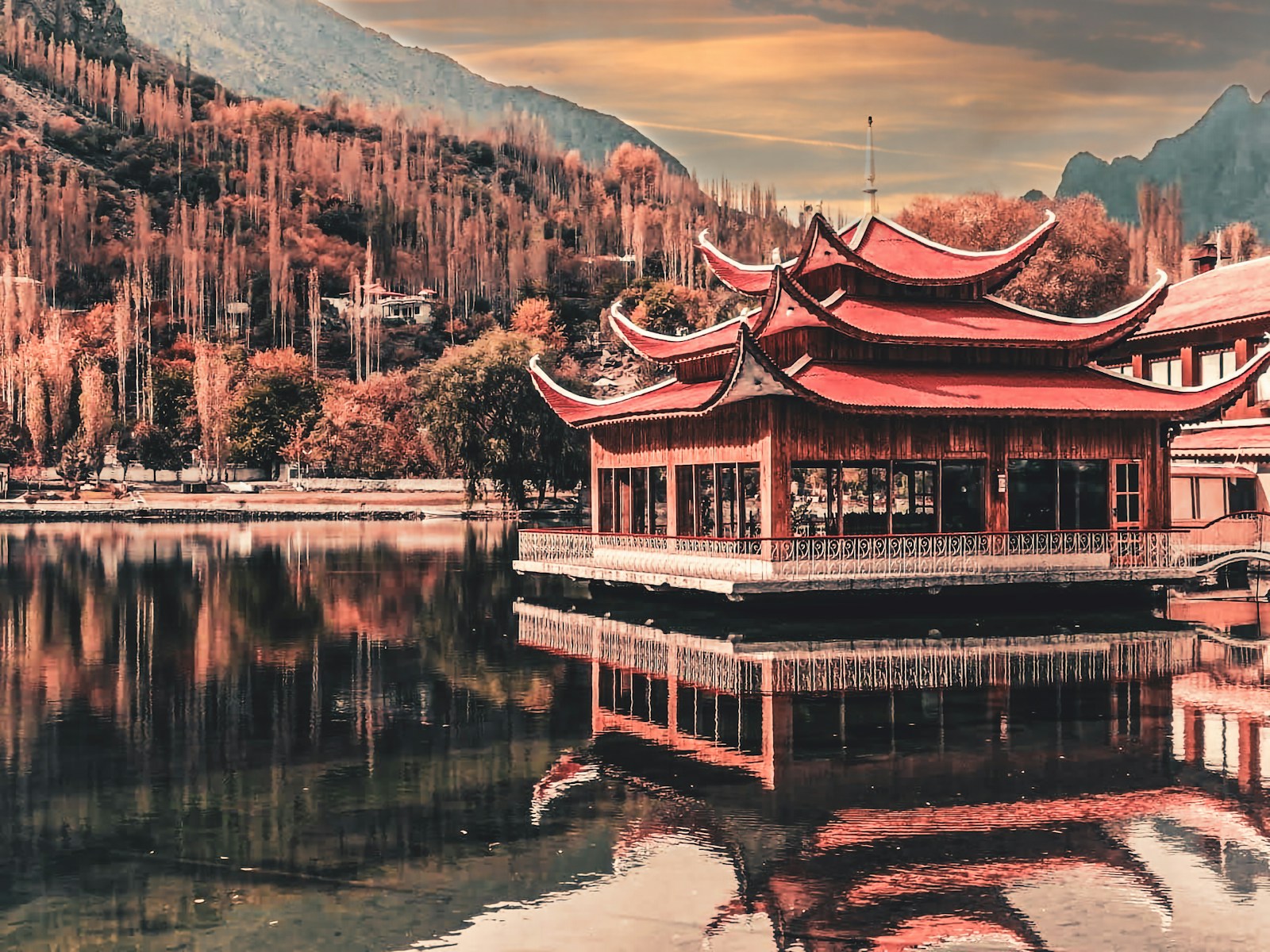
    • Upper Kachura Lake: A short hike leads you to this hidden turquoise basin. The water is so clear and still that the reflections of the surrounding apricot trees are indistinguishable from reality. It’s a perfect spot for a quiet boat ride.
    • The Shangrila Resort: Famously built around a crashed DC-3 aircraft, this “Heaven on Earth” offers a manicured view of Lower Kachura Lake, shaped like a heart.
    • Manthal Buddha Rock: A massive granite boulder etched with images of the Buddha dating back to the 8th century, a silent witness to the region’s deep spiritual history before the arrival of Islam.

    The Experience: Skardu is for the traveler who seeks silence. There is a specific kind of quiet here—a “high-altitude hush”—that you won’t find anywhere else. It is the ultimate destination for a digital detox and a reconnection with the raw elements of nature.

  • A Morning in Lahore’s Walled City: Stepping Through the Gates of Time

    A Morning in Lahore’s Walled City: Stepping Through the Gates of Time

    If Islamabad is the mind of Pakistan, Lahore is undoubtedly its heart—a heart that beats loudest within the 13 ancient gates of the Walled City (Androon Sheher). To walk through the Delhi Gate at sunrise is to leave the 21st century behind. Here, the air is a thick, intoxicating blend of sandalwood incense, old parchment, and the sharp sizzle of spiced oil from nearby breakfast stalls.

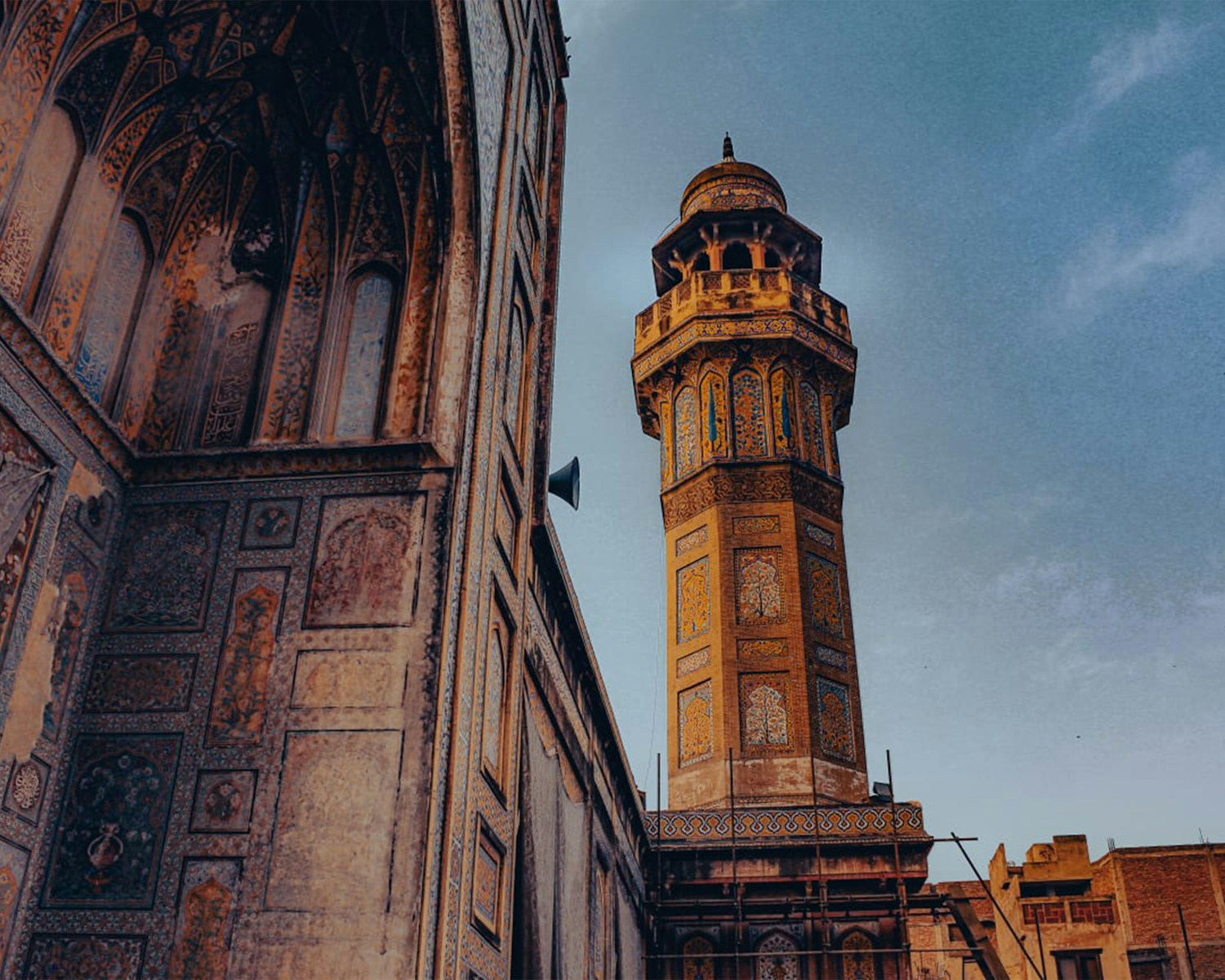
    As you navigate the labyrinthine alleys, the Wazir Khan Mosque suddenly reveals itself like a jewel box left open. Built during the reign of Emperor Shah Jahan, it is often called the “Cheek-Mole on the Face of Lahore.” Every square inch of its brickwork is covered in kashi-kari (intricate tile mosaics) that depict floral paradises and celestial geometries. The sunlight hitting these tiles creates a kaleidoscopic glow that hasn’t dimmed in four centuries.

    Beyond the Mosque: The Life of the Streets

    • The Spice Markets: Just a stone’s throw away is Akbari Mandi, one of the largest spice markets in Asia. The scents of turmeric, dried chilies, and saffron are so potent they physically tingle on your skin.
    • The Jharokas: Look up. The architecture here is vertical. Ancient wooden balconies (jharokas) hang over the streets, once used by residents to observe the hustle and bustle below while remaining hidden from view.
    • The Food Ritual: No morning in the Walled City is complete without a stop at a street-side dhaba. Join the locals for Lahori Chana (slow-cooked chickpeas) and massive, buttery Kulcha bread, eaten right there on the sidewalk as the city wakes up.

    Travel Tip: Don’t use a map. The joy of the Walled City is in getting lost. Every dead-end alley usually leads to a beautiful carved door or a friendly local offering a cup of tea.

Take a Detour of Pakistan

خوش آمدید